7409 RR30 Cypress County,
Alberta, CANADA T0J 1V0
Does Whisky Get Better With Age?

Does Whisky Get Better With Age?

Published on 
October 7, 2026

Original article from Glen Breton Distillery

https://glenbreton.com/does-whisky-get-better-with-age/

‍

Finding a truly exceptional whisky is a journey of discovery. Every bottle is the result of a complex equation: the mineral content of the water, the specific grain recipe, the method of drying the barley, and the shape of the stills.

But for most enthusiasts, the most prominent number on the label isn’t the distillery’s address—it’s the age statement. This raises the eternal question: Does whisky actually get better with age, or is it just getting older?

The Alchemy of the Barrel

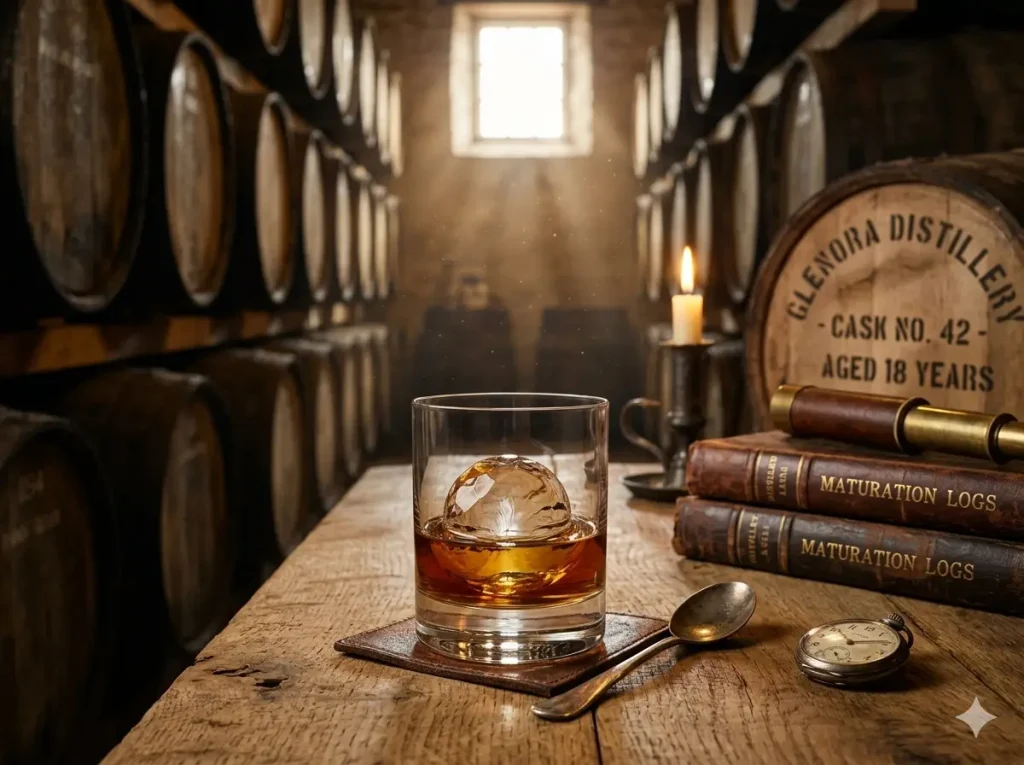
While distillation takes only a week, the “soul” of the whisky is forged during the maturation process. By law, most whiskies must age for at least three years, but many remain in the wood for decades.

The barrel is more than just a container; it’s a filter and a flavor engine.

  • The Filter: Charred or toasted oak barrels act like a carbon filter, removing harsh compounds like butanol and methanol. This is what transforms “moonshine” into a smooth, drinkable spirit.
  • The Flavor Engine: The wood breathes. As temperatures change, the whisky moves in and out of the oak, pulling out vanillins, tannins, and spicy notes. If a cask previously held sherry or bourbon, the whisky inherits those rich, fruity, or caramel undertones.

Is Older Always Better?

In the world of spirits, “older” usually means “different,” not necessarily “superior.”

  • The Sweet Spot: Most single malts hit their peak between 10 and 18 years. During this time, the spirit and the wood are in perfect balance.
  • Over-Oaking: If a whisky stays in the barrel too long (often past 25 or 30 years), the wood can begin to dominate. The delicate notes of the grain are lost, replaced by an overly dry, tannic, or “woody” flavor.

Single Malts vs. Blends: The Aging Divergence

The impact of time depends heavily on what’s inside the cask.

  • Single Malts: These tend to maintain a consistent “family resemblance” to their distillery’s character. Aging simply refines them, polishing the edges and adding layers of sophistication without changing the core DNA.
  • Blends: Because blends involve different grain and malt whiskies, time acts as a diplomat. It allows disparate flavors to marry and integrate. However, because different grains age at different rates, a blend can shift its flavor profile dramatically over a decade.

The Bottle Myth: Does it Age on the Shelf?

Unlike a fine Bordeaux, whisky does not improve in the bottle. Once the spirit is removed from the wood and sealed under glass, the maturation process stops completely. A 12-year-old bottle tucked away in your cabinet for twenty years will still be a 12-year-old whisky when you open it.

However, the flavor can change—usually for the worse.

  • The Enemies: Sunlight and oxygen are the enemies of a good dram. UV rays can break down flavor compounds, while oxidation (especially in a half-empty bottle) can make the whisky taste flat or “metallic.”

The Verdict

Time is the most expensive ingredient in any bottle, but the “best” age is entirely subjective. Whether you prefer the vibrant, peaty punch of a 5-year-old or the silky, complex narrative of a 21-year-old, the magic happens in the barrel—not on the shelf.

‍

The Finest Wines and Spirits from around the World

Yours to discover at a retailer near you.

content in slider is dynamically generated in the HIDDEN list below.

NavLeft
NavRight